Blackheath gardeners guide to SE3 front garden transformations
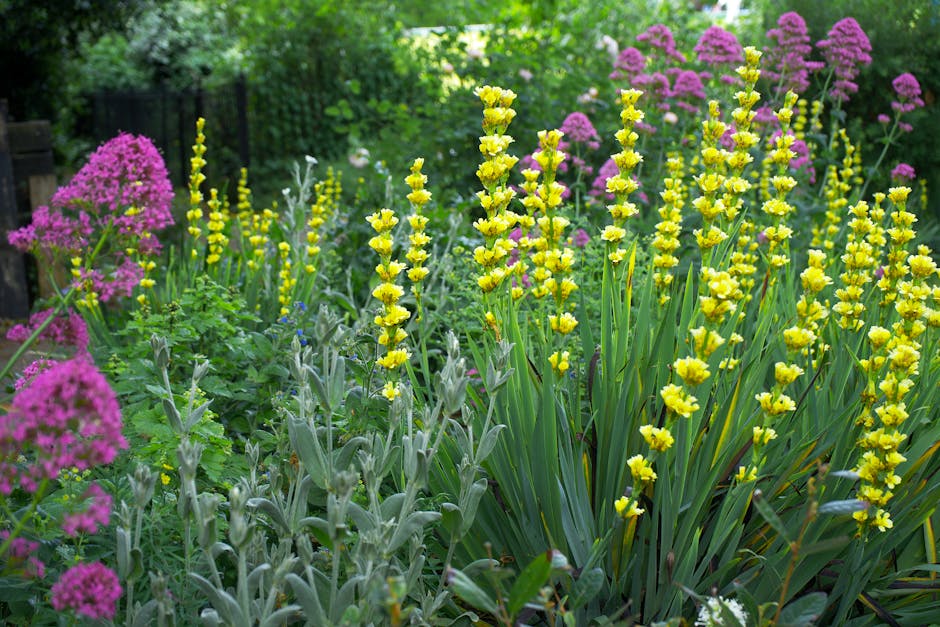
If your front garden in SE3 feels a bit tired, cluttered, or simply not in step with the house anymore, you are not alone. Front gardens in Blackheath often have to do a lot: welcome visitors, soften the street view, frame the property, and cope with London weather, narrow access, and day-to-day wear. This Blackheath gardeners guide to SE3 front garden transformations is here to help you make sense of what actually works, what to avoid, and how to turn a front space into something tidy, practical, and genuinely good-looking.
Whether you want a low-maintenance layout, better planting, a smarter path, or a complete redesign, the ideas below are built around real-world SE3 conditions. You will find a clear process, practical decisions to make, and a few hard-won lessons that save time later. Let's face it, front gardens are judged quickly. The good news? Small changes can make a surprisingly big difference.
Why Blackheath gardeners guide to SE3 front garden transformations Matters
Front gardens do more than look nice. In Blackheath, they shape the first impression of the whole property, and that matters whether you are planning to stay put or preparing to sell. A front garden that feels balanced can make a house look cared for even before anyone reaches the door. That is a big deal in a street where architecture, paving, and planting often sit right up against each other in plain view.
SE3 homes also tend to face a mix of conditions that make front garden work a little more nuanced than people expect. You might be dealing with compact spaces, mature trees, shade from neighbouring buildings, a slightly awkward slope, or a patchwork of older paving that has settled over time. Some gardens need careful pruning and structure; others need a total reset. And sometimes, truth be told, they just need someone to step back and say, "Right, what's actually useful here?"
That is why a good transformation is not simply about adding plants. It is about correcting the layout, choosing materials that suit the house, and creating a front space that works across seasons. A neat gravel strip can reduce muddy foot traffic. Thoughtful hedging can give privacy without feeling defensive. A better path line can make the entrance feel more generous. Small things, but they add up fast.
How Blackheath gardeners guide to SE3 front garden transformations Works
A front garden transformation usually begins with assessment, not digging. That sounds obvious, but plenty of poor results start with someone rushing to buy plants before understanding the site. The best gardeners look at light levels, drainage, existing soil condition, access, sightlines from the pavement, and how the front garden is actually used day to day.
In practice, the process tends to follow a sensible sequence:
- Survey the space. Measure the frontage, note where water sits after rain, and spot anything that blocks access or light.
- Decide the main goal. Is the priority appearance, lower maintenance, privacy, parking coordination, or a complete redesign?
- Clear and simplify. Remove dead growth, unwanted hard edges, and clutter that makes the garden feel smaller than it is.
- Set the structure. Paths, edging, hedging, borders, and focal points create the backbone of the design.
- Choose planting that fits. Select plants for the actual conditions, not just the mood board version.
- Finish with maintenance planning. A front garden should be easy to keep tidy, otherwise it slowly slips back.
The smartest transformations are rarely the most dramatic. They are the ones that make the garden easier to live with. A front space that looks fresh in January and still looks clean in late summer? That is the target. Not every garden needs a complete overhaul, by the way. Some need one strong change and a bit of discipline.
Key Benefits and Practical Advantages
A well-planned front garden transformation brings both visible and practical benefits. The visual part is obvious, but the everyday gains are what usually convince people once the work is done.
- Better kerb appeal: A tidy, coordinated front garden makes the whole property feel more intentional.
- Clearer access: Thoughtful paths, edging, and layout make arrivals and departures simpler, especially with bins, prams, bikes, or deliveries.
- Lower long-term maintenance: Good planting and simple structure reduce the amount of constant fiddling.
- Improved privacy: Layered planting or hedging can soften views from the street without making the home feel closed off.
- More seasonal interest: A mix of evergreen structure and seasonal colour keeps the frontage from looking flat all year.
- Better use of awkward space: Narrow or uneven front gardens can be turned into something more coherent.
There is also the confidence factor. A front garden that feels sorted changes how you use the house. You open the curtains and the view is calmer. You come home, and the approach feels welcoming rather than messy. That sounds small. It really is not. People notice it every day, even if they do not say so.
If you are comparing garden services, a useful place to start is the broader services overview, which helps you see how front garden work sits alongside ongoing care, hard landscaping, and more specialist tasks.
Who This Is For and When It Makes Sense
This kind of project suits a surprisingly wide range of homeowners and landlords in SE3. You do not need to have a huge budget or a complete vision before you start. In fact, many of the best results begin with uncertainty and a few honest questions.
It usually makes sense if you are:
- preparing to sell or rent and want the frontage to make a stronger first impression
- fed up with a front garden that looks messy no matter how often you tidy it
- dealing with overgrown hedges, patchy lawn, or tired planting
- wanting privacy from the road without blocking light
- looking for lower-maintenance options because life is already busy enough
- hoping to refresh an older garden without losing its character
- trying to make an awkward or narrow space feel more usable
It also makes sense if the garden has become a sort of "catch-all" for everything you did not know where else to put. Broken pots, random shrubs, a path that slopes slightly the wrong way, a gate that sticks a bit on damp mornings. We have all seen gardens like that. Most of them can be improved far more than people expect.
If you need regular upkeep after the transformation, ongoing garden maintenance is often what keeps the whole design from drifting back into chaos. A transformation is the start, not the finish.
Step-by-Step Guidance
A solid front garden transformation does not need to be complicated, but it does need to be ordered. Rushing the sequence usually creates more work later. Here is the practical version.
1. Start with a proper clear-out
Remove anything dead, broken, overcrowded, or simply not serving the garden anymore. That may include weeds, old edging, failed shrubs, tired containers, and cluttered surfaces. If the garden has a lot to remove, a structured garden clearance can be the cleanest way to reset the space before planning begins.
2. Study the bones of the space
Look at the fixed elements: driveway, gate, boundary wall, path, steps, porch, and any trees that will stay. These shape the design more than the planting does. A slightly awkward entrance can often be improved just by changing the proportions around it. Small shift, big effect.
3. Decide what the front garden should do
Ask a blunt question: what do you need this space to do? Is it for privacy, presentation, parking edge control, planting, or all of those things? A front garden that tries to do everything usually ends up doing nothing well. Choose the priority first.
4. Build the structure
This is where paths, borders, hedges, and larger features matter. Good structure gives the garden its shape even in winter. If you are adding timber features or decking close to the front space, it is worth thinking carefully about how that material will sit alongside the rest of the garden. A well-finished decking services approach can be useful where the front area connects to a raised entrance, side return, or split-level space.
5. Choose plants that match the real conditions
It is tempting to choose plants based on looks alone. Fair enough. We all do it. But planting has to suit the actual light, wind, soil, and maintenance level. Blackheath front gardens often do well with a mix of evergreen structure, seasonal flowering, and plants that do not need constant rescue. If privacy is a priority, taller layered planting can help, and it is worth reading about tall potted plants that shield and beautify outdoor spaces for ideas that work in tighter settings.
6. Finish with clean edges and simple maintenance routines
The final pass matters. Crisp edges, tidy joints, healthy soil, and a realistic watering plan make the difference between "newly done" and "actually maintained". A transformation can look good for a month on excitement alone. After that, the habits matter.
Expert summary: the best front garden transformations in SE3 usually combine one strong structural change, one or two practical planting choices, and a maintenance plan that the homeowner can actually stick to. Not flashy. Just durable.
Expert Tips for Better Results
Here is where experience really saves time. A few small decisions can lift the whole project.
- Use repetition, but not too much. Repeating a few plant types creates calm. Too many varieties can make the front garden feel busy and messy.
- Think in layers. Groundcover, mid-height planting, and a few taller anchors usually look better than one flat band of shrubs.
- Keep the entrance visually clear. You want visitors to know where to go without hunting for the door.
- Choose materials that age well. Some finishes look lovely on day one and tired by year two. Choose with weathering in mind.
- Leave room for growth. Plants often get ignored until they suddenly do a lot of growing. It happens.
- Match the maintenance level to real life. If you only want to garden every few weeks, do not create a scheme that demands constant attention.
One thing people often overlook is how the front garden looks from inside the house. You see it every morning, often before the tea has even kicked in. If the view from the window is busy, patchy, or too dark, the whole house feels it. Better planting can fix that in a way no decorative object quite can.
For homes where safety, access, or site handling is a concern, it is sensible to check health and safety policy information and make sure any work is approached properly, especially if heavy lifting, cutting, or machinery is involved.
Common Mistakes to Avoid
Most front garden mistakes are not dramatic. They are just easy to make. And once made, they tend to be annoyingly persistent.
- Overplanting: too many plants create crowding, shade, and extra pruning later.
- Ignoring drainage: if water sits near paths or beds, the garden will never feel quite right.
- Choosing the wrong scale: tiny plants in a large frontage can look lost; oversized shrubs can overpower the house.
- Using too many materials: mixing several paving styles, trims, and finishes can make the design feel fragmented.
- Forgetting the boundaries: fences, hedges, and walls are part of the composition, not separate from it.
- Making maintenance too complicated: an elegant plan that requires weekly fuss is not really elegant for long.
A quieter mistake is not removing enough of the old garden. People sometimes keep one too many tired shrubs because they feel guilty about cutting them out. Understandable. But if the plant is blocking light, spoiling the shape, or growing where it should not, it may need to go. Gardening does involve a bit of decisive behaviour now and then.
If the front garden includes mature trees or large woody growth, it is better to seek proper advice before carrying out heavy reductions. Services such as tree lopping and removal are more suitable where size, safety, or root impact need careful handling.
Tools, Resources and Recommendations
You do not need a van full of specialist gear to improve a front garden, but the right tools make the work smoother and safer. For most SE3 front garden projects, the essentials are straightforward.
- good-quality pruning tools for clean cuts
- spade and fork for soil preparation
- wheelbarrow or sturdy tubs for clearance work
- edging tool for crisp borders
- tape measure and string line for layout
- gloves and protective footwear
- watering can or hose access for new planting
- mulch or soil improver where the ground needs conditioning
As a practical recommendation, start with the front-of-house issues that you can see from the street. If the boundary is scruffy, the path is uneven, or the hedge is leaning, deal with that first. People read the frontage in layers, almost without realising it.
It is also worth thinking about what can be recycled, reused, or composted during the work. A responsible approach keeps waste down and makes the project feel less wasteful. For useful guidance on site waste and material handling, see the approach set out in the recycling and sustainability information. Small habit, better outcome.
If you are comparing prices before starting, the article on real costs for SE3 homes gives a helpful sense of how different types of work can affect the budget.
Law, Compliance, Standards, or Best Practice
Front garden work in London is usually straightforward, but it is still sensible to respect the rules around boundaries, waste, access, and safe working. If a project affects shared access, visibility, protected trees, or neighbouring property, it is wise to check the implications before starting. That is not over-cautious; it is just sensible planning.
Best practice in this type of work generally includes:
- keeping pathways safe and reasonably even
- not creating trip hazards near entrances
- disposing of garden waste responsibly
- using appropriate methods for pruning and removal
- working carefully around shared walls, fences, and access points
- making sure any contractor has suitable insurance and safe working procedures
If you are hiring help, ask about how the work is carried out, how waste is handled, and what happens if a hidden issue appears once clearance starts. A trustworthy team should be willing to explain that clearly. You should not have to guess.
For reassurance on contractor standards and site handling, it can also help to review insurance and safety details before agreeing to any major front garden work. It is one of those unglamorous steps that saves stress later.
Options, Methods, or Comparison Table
There is no single right way to transform a front garden. The best method depends on budget, layout, maintenance tolerance, and the kind of look you want. Here is a simple comparison to help.
| Approach | Best for | Advantages | Trade-offs |
|---|---|---|---|
| Light refresh | Gardens that are generally sound but tired | Faster, lower cost, minimal disruption | Won't solve major layout problems |
| Structural redesign | Awkward layouts, poor access, or weak street presence | Strongest visual improvement, better flow | More planning and usually more cost |
| Low-maintenance planting scheme | Busy households or landlords | Less upkeep, neat year-round structure | Needs careful plant choice to avoid looking plain |
| Privacy-led transformation | Homes exposed to street view | Improves comfort and seclusion | Can reduce openness if overdone |
| Complete clearance and rebuild | Overgrown or neglected front gardens | Clean reset, easier to redesign properly | More labour and disposal work |
In many Blackheath streets, the best result is a balanced blend: keep the character, improve the structure, and avoid overcomplicating the planting. You do not need to turn the front garden into a showpiece garden centre display. A bit of restraint often looks better, especially on period properties.
Case Study or Real-World Example
Here is a realistic example from the sort of project that comes up often in SE3. A front garden started as a mixed bag: some patchy lawn, a tired hedge, a narrow path, and a couple of shrubs that had clearly outgrown their welcome. From the street it looked untidy, but the bones were decent. The owners wanted something smarter without making it feel over-designed.
The work began with clearance and pruning. Once the dead growth was gone, the space immediately looked larger. That always happens, by the way. Then the layout was simplified: the path was made clearer, the border shape was sharpened, and the hedge line was cleaned up so the entrance felt more open. Planting was kept restrained, with a mix of evergreen structure and a few seasonal highlights so the garden would still look good in winter.
The biggest change was not a dramatic feature. It was the clarity. The front garden suddenly had a purpose. It framed the house, made the entrance easier to read, and gave the owners a space they could maintain without feeling like they were forever catching up. One of them said, quite honestly, that walking up to the house felt calmer straight away. That sort of reaction is common, and fair enough too. A front garden should feel welcoming, not like a job waiting for you.
This is also where follow-up care matters. After a transformation, simple routines such as pruning, sweeping, weeding, and seasonal feeding keep the result looking fresh. If you want the structure to stay in place, ongoing hedge trimming can be a small but very effective part of the maintenance plan.
Practical Checklist
Use this checklist before starting a front garden transformation in Blackheath. A few minutes of planning can save hours later.
- Have you decided the main goal: curb appeal, privacy, lower maintenance, or a full redesign?
- Have you measured the space and noted light, drainage, and access?
- Have you identified what needs clearing, cutting back, or removing?
- Are the path, gate, and entrance easy to use and safe?
- Have you chosen plants that match the real conditions, not just the look?
- Is there a simple maintenance plan for the first six months after the work?
- Have you considered how the garden will look in winter as well as summer?
- Do any trees, large shrubs, or structural features need specialist attention?
- Have you thought about waste removal and recycling?
- Is the budget realistic for the scope of work?
And one more, quietly important point: if you are unsure whether to keep or remove something, ask what it contributes to the whole design. If the answer is "not much", that is usually telling.
Conclusion
A front garden transformation in SE3 is rarely just about appearance. It is about making the entrance feel better, the property feel cared for, and the day-to-day use of the space much easier. The strongest results in Blackheath usually come from clear decisions, honest pruning, and planting that suits the site rather than fighting it.
If you remember only one thing from this guide, make it this: start with structure, then add planting, then keep it simple enough to maintain. That approach tends to work in real life, not just in glossy ideas. And honestly, real life is where the garden has to live.
Get a free quote today and see how much you can save.
When a front garden is done well, it does more than improve the house. It changes the way home feels when you arrive. That is worth doing properly.
Frequently Asked Questions
What is included in a front garden transformation in Blackheath?
It can include clearance, pruning, hedge work, new planting, path improvements, edging, layout changes, and sometimes full landscaping. The exact scope depends on how much the garden needs and what the homeowner wants to achieve.
How do I know whether my SE3 front garden needs a full redesign or just a refresh?
If the layout already works and the main issue is tired planting or mess, a refresh may be enough. If access is awkward, the entrance feels cluttered, or the space no longer makes sense, a redesign is usually the better call.
Are front garden transformations suitable for small Blackheath gardens?
Yes, very much so. Small front gardens often benefit the most because better structure, lighter planting, and clearer lines can make the space feel significantly larger and calmer.
What plants work well in a front garden in SE3?
That depends on light, soil, and how much maintenance you want to do. In many cases, a mix of evergreen structure, manageable shrubs, and seasonal colour works well. The key is choosing plants that suit the site, not just the style.
How long does a front garden transformation usually take?
Some projects can be completed in a day or two, while more involved work may take longer if there is clearance, hard landscaping, or planting preparation involved. The timeline depends on access, weather, and scope.
Is low-maintenance landscaping a good idea for front gardens?
Yes, especially for busy households. Low-maintenance does not have to mean boring. It usually means better plant choice, simpler structure, and fewer fiddly details that demand constant attention.
Do I need planning permission for front garden changes?
Not usually for straightforward planting or minor improvements, but it is wise to check if the work affects drainage, boundaries, protected trees, or access arrangements. If in doubt, ask before starting.
What should I do with an overgrown front hedge?
First, decide whether it can be shaped back sensibly or whether it is too large for the space. A hedge that blocks light or access may need careful reduction or even replacement. Safe handling matters here.
How much maintenance will a transformed front garden need?
That depends on the design. A well-planned front garden should be maintainable with regular but manageable care, such as pruning, weeding, sweeping, and seasonal checks. If it needs constant intervention, the design probably needs simplifying.
Can front garden transformations improve property appeal?
Yes. A neat, well-structured front garden usually improves first impressions quickly. It can make the house feel more cared for and more inviting, which matters whether you are staying or planning to sell.
What is the biggest mistake people make with front garden upgrades?
Overcomplicating the design is probably the most common one. Too many materials, too many plant types, and too little planning can make a space look busier than before. Simple often wins.
Should I choose hard landscaping or planting first?
Structure comes first. Paths, borders, access, and edges shape how the garden works. Once those are right, planting can do its job properly instead of trying to rescue a weak layout.